About Ariel Karmeli
Every therapist is shaped not only by the methods they study, but by the questions they spend a lifetime asking.
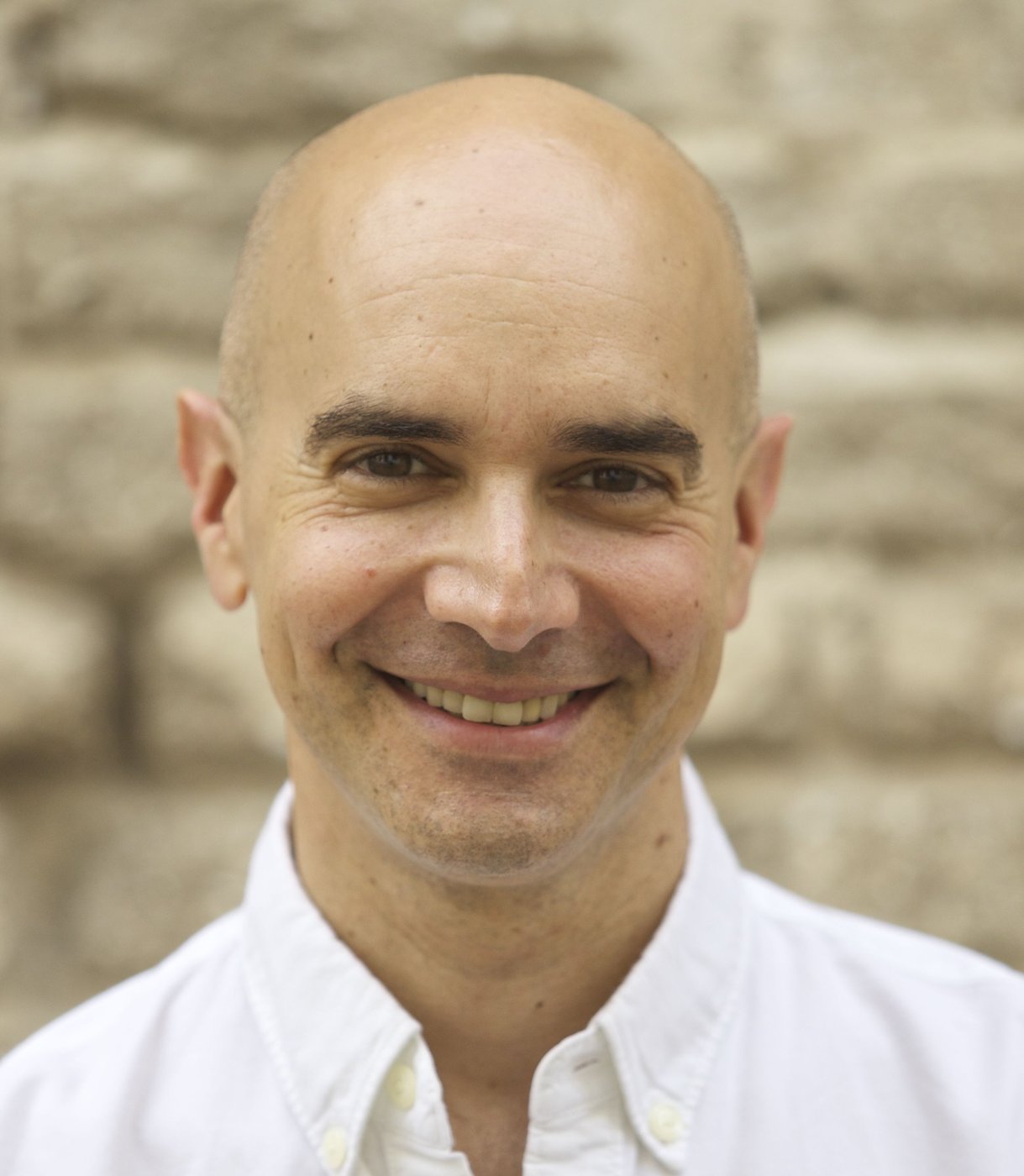
The questions that have accompanied me throughout my life have revolved around belonging, identity, relationship and what allows us to participate in life without abandoning ourselves.
Growing up in Frankfurt as the child of Jewish parents from Iran and Syria, questions of belonging and identity were never abstract ideas. They were woven into everyday life. Living as a Jewish family in post-war Germany, while also growing up between Middle Eastern and European cultures, exposed me from an early age to different ways of understanding home, family, community and what it means to find one’s place in the world.
For many years, however, my life followed a very different path. I worked as a strategy consultant, entrepreneur and organizational advisor, building a career that, from the outside, appeared both meaningful and successful.
Yet beneath, I sensed a misalignment — a growing distance between the life I was living and what I knew, however faintly, to be true within myself.
At the age of forty, I stepped away from that life. Not because I had answers, but because I had questions that no longer allowed themselves to be ignored. During a few days alone in the desert, with no agenda other than to listen, I found the quiet I needed to acknowledge what had been unfolding within me for quite some time.
That decision gradually led me into a world of therapeutic work, personal inquiry and group processes that continues to shape how I understand people today. I found myself drawn to a single question: what allows people to individuate?
Over the years that followed, I immersed myself in extensive personal inquiry and professional training. Among others, I trained in family constellations, somatic work, polarity, breathwork and shadow integration. Each of these approaches offered valuable perspectives.
Over time, I became less interested in the differences between these approaches and more interested in what they seemed to share: a profound respect for the human capacity to grow through greater honesty, relationship and awareness. Today, my work is guided less by any single methodology than by a way of understanding human development.
Rather than helping people to ‘change or improve’, my work is about creating the conditions in which they can hear themselves more clearly, recognize the adaptations that once served them, and gradually discover choices that allow them to participate in life without abandoning themselves.
Whether I am working with an individual, a couple or a group, I am continually reminded that lasting change rarely arrives through dramatic breakthroughs. It grows through small movements of honesty, awareness and choice. Over time, those movements create a growing sense of coming home to ourselves. They continue to guide my work every day.
The work described here rests on years of formal training, alongside personal inquiry.
Selected Training and Certifications
Somatic Experiencing® Practitioner (SEP)
OSHO Therapist Training: A Bridge from Therapy to Meditation
Family Constellation and Trauma Training
Pulsation, Neo-Reichian Bodywork
Systemic Ritual™ Practitioner
Path of Love, Facilitator Training
Voice Dialogue
Gestalt
I have been leading groups and giving sessions since 2007. Sessions are held in English, German and Hebrew, in central Tel Aviv and online.